
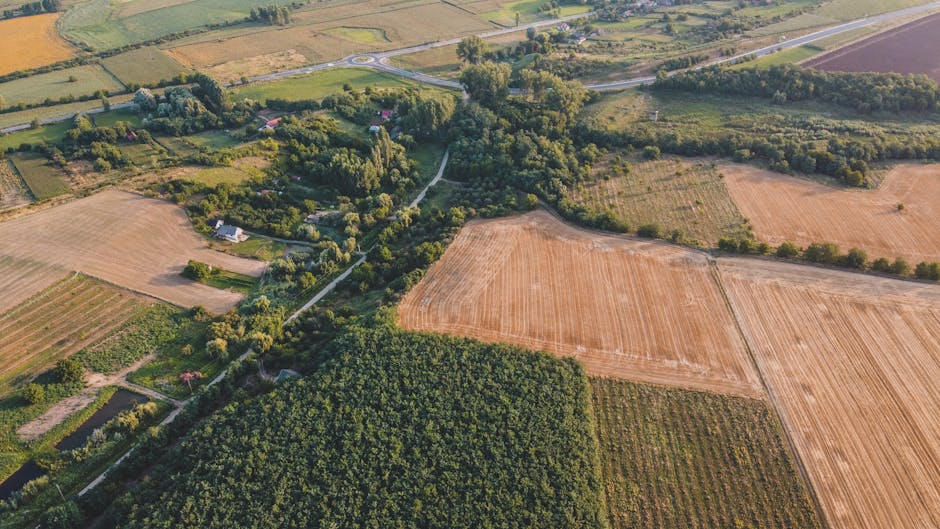
Why Rural Land Sits Differently On The Market
If you have been trying to sell a rural parcel, whether it is farmland, timberland, or a stretch of wooded acreage, you have probably noticed it does not move like a house. Fewer buyers are actively searching for raw rural land, and many lenders hesitate to finance a property that lacks utilities, a recent survey, or a clear path toward development.
What Makes Rural Acreage Harder To Price
Pricing a house is fairly simple, since nearby sales tell you what buyers are willing to pay. Rural land is trickier. Two parcels a few miles apart can carry very different values depending on soil quality, water access, and legal frontage on a maintained road. Owners researching how to sell rural land directly often find that reaching a realistic price takes real work up front.
What The Research Shows
A 2025 industry report from National Land Realty, based on more than 1,300 closed land sales, found that rural land parcels took an average of 125 days to sell, with a typical tract size of about 20.5 acres. That timeline varies significantly by state and county, and can stretch even longer for larger or less accessible parcels.
What Actually Determines A Fair Offer
A fair number for rural land usually starts with recent sales of comparable parcels nearby. Buyers then adjust for acreage, road frontage, and how much of the property is genuinely usable. County tax records offer another reference point, though assessed value and market value rarely line up exactly, especially once zoning and easements enter the picture.
Location And Access Still Matter Most
Two rural parcels can look nearly identical on a map and still carry very different values once you factor in drive time to the nearest town, whether power and water reach the property line, and whether the land has deeded access to a public road. Landlocked acreage, or land crossed by utility easements, typically sells for less and takes longer to move.
Weighing Your Options As A Rural Landowner
Most rural landowners choose from three paths. They can list with an agent who specializes in land, try a land specific marketplace, or approach a direct buyer who pays cash. An agent may eventually find a buyer for well-located acreage, though that usually means a commission and a longer wait. Direct buyers move faster and skip the commission, though offer quality can vary widely.
What A Legitimate Direct Buyer Should Offer
A trustworthy direct buyer bases their number on real market data rather than a flat, lowball figure, and can explain clearly how they reached it. The better ones also tend to handle title work and closing costs directly, which removes another layer of back-and-forth for the seller. No upfront fees and a clear explanation of deductions are reasonable things to expect.
Red Flags Worth Watching For
Be cautious of any buyer who pressures you to sign within a day or two, or who cannot explain how they arrived at a number. The same goes for anyone who asks for money upfront to begin processing paperwork. A legitimate buyer gives you time to compare offers and will walk you through their reasoning without hesitation.
Making The Right Call For Your Land
There is no single right answer for every rural landowner, since a small hunting parcel and a large agricultural tract rarely sell the same way. Comparing a couple of cash offers for rural land against a traditional listing can help clarify your timeline, your paperwork, and the price you are actually likely to receive once all the costs are accounted for.
Land Avion, LLC
2521 North Main Street
#1-276
Las Cruces
New Mexico
88001
United States


