
Key Takeaways
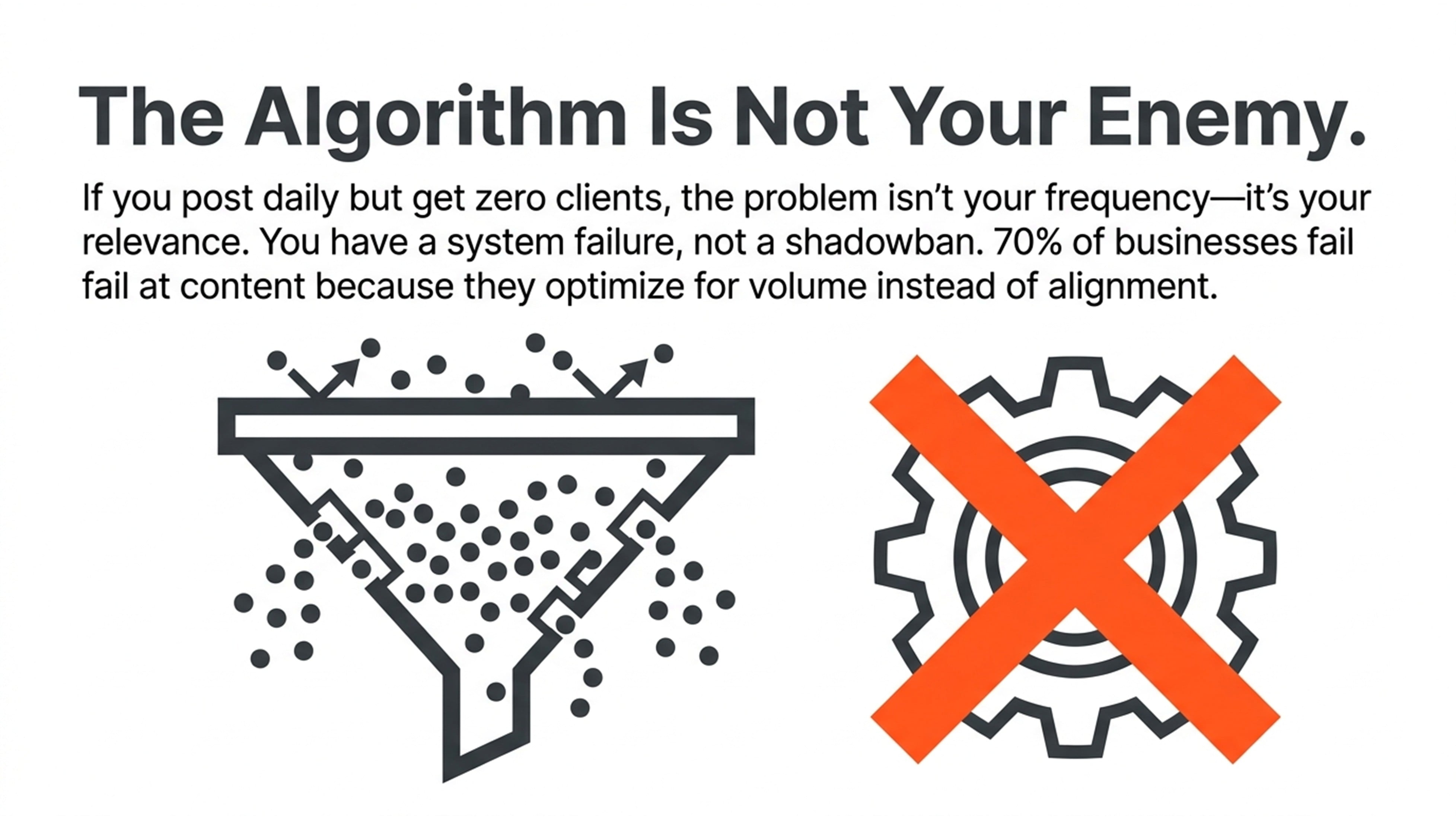
- Manchester content often fails to bring in customers because of strategic missteps around audience targeting, buyer intent, differentiation, distribution, conversion paths and measurement, not because too little content was published
- A large share of marketers say creating content that prompts a genuine action is one of their biggest challenges, which points to a conversion design problem rather than a writing problem
- Local search results depend heavily on relevance, distance and prominence, so a well-maintained Google Business Profile matters as much as the content itself
- Every page needs a clear, specific next step suited to its buying stage, since a vague contact link rarely persuades anyone to enquire
- Measuring enquiries, calls and bookings rather than traffic and rankings reveals which content is actually worth keeping, something covered through a practical 90-day style framework
Many small business owners in Manchester publish blogs, social posts and case studies regularly, yet the phone never rings and the enquiry form stays empty. That gap feels confusing, especially when there is clearly effort going into the content. It happens because content that fails to produce customers is usually a strategy, relevance, distribution, trust, conversion or measurement problem rather than a sign that more blogs are needed.
Content built around real buyer questions, genuine local evidence, a clear commercial path, active distribution and measurable conversion actions is what actually brings customers through the door. Content built without those elements can still look busy and professional while quietly failing to generate a single enquiry. Understanding which part of the system is broken matters more than producing another article and hoping it performs differently.
West Pro Media Services, a Bolton-based digital marketing consultancy, works with small businesses across Greater Manchester on exactly this problem, helping them turn published material into content creation services built around enquiries rather than page views. The sections below break down why content stalls and what a working system actually looks like.
Publishing Content Isn’t Generating Enquiries
Plenty of Manchester business owners have done what every marketing guide recommends. Blogs get written, social posts go out on schedule, and maybe a video or two gets filmed along the way. Despite all that effort, the enquiries never seem to follow, and content marketing starts to feel ineffective for smaller local firms.
The truth usually has less to do with effort and more to do with design. A website can attract visitors while failing to attract the right visitors, or attract the right visitors while giving them nothing useful to do next. Six specific faults tend to explain almost every case of content that gets read but never gets acted on, and recognising which ones apply reveals far more than publishing yet another article.
Six Reasons Content Fails To Convert
Wrong audience or weak intent match
Traffic arriving on a page means very little if it is the wrong traffic. A Manchester plumber ranking for “how to fix a dripping tap” might see decent visitor numbers from people with no intention of paying for a callout, because they are trying to fix it themselves. The content answers a real question while serving the wrong stage of intent for a business that needs paying customers.
Checking who actually lands on a page helps here. Search queries, visitor location, engagement patterns and bounce rates all tell a story about whether content attracts peers and curious browsers or genuine prospective buyers. Content built around real buying-stage questions, such as cost, process and comparison queries, reaches people much closer to making a decision.
Generic, interchangeable messaging
Content that could have been written by any agency in any city reads as instantly forgettable. When a page offers only generic advice with no named author, no local examples and no evidence of first-hand experience, readers have little reason to trust it over a competitor’s nearly identical article. Search engines increasingly favour original, expert-led material that cannot be easily replicated by AI tools or rival businesses.
A page reading “quality service at competitive prices” tells a reader nothing they could not guess already. Original insight, named expertise and demonstrable experience carry far more weight than polished but empty phrasing.
No active distribution or authority
Publishing a genuinely strong guide and then doing nothing further with it wastes most of its potential value. Many small businesses treat hitting “publish” as the finish line, when it marks only the starting point. Good content deserves a second life through email newsletters, social posts customized for different angles, Google Business Profile updates, and outreach to relevant local partnerships or trade contacts.
Without that active push, even excellent content can sit quietly with barely any impressions, because nobody beyond existing website visitors ever discovers it exists.
Missing or confusing conversion path
A reader who finishes an article feeling informed but unsure what to do next will usually just leave. Pages without a clear, specific next step waste the attention they worked hard to earn, and a vague “contact us” link buried at the bottom rarely persuades anyone to act.
Poor measurement of real outcomes
Tracking views, likes and rankings instead of enquiries, calls and sales means judging content against the wrong scoreboard entirely. A large share of marketers report that creating content which prompts a genuine action is one of their biggest challenges, and a similarly large share find tracking content’s effect on customer conversion genuinely difficult. Without tracked forms, calls, bookings or proper attribution, there is no way to know which content is actually earning its keep.
Traffic Isn’t The Same As Buying Intent
More visitors arriving on a website feels like progress, and in a narrow sense it is. Traffic volume and commercial intent remain two completely different measurements, and confusing them leads plenty of Manchester businesses to celebrate numbers that never translate into revenue. A person typing “what is SEO” into Google is usually researching out of curiosity or studying for a course, while a person typing “SEO consultant Manchester” or “content marketing agency cost” sits much closer to picking up the phone.
Mapping content to the buyer’s stages
A healthy content mix serves every stage of that process rather than camping out at the top of it:
Awareness content answers broad questions, explains common problems and clears up misconceptions for people just starting to investigate a topic.
- Consideration content compares options, lists costs and timelines, and offers checklists or templates for people actively weighing choices.
- Decision content includes service pages, case studies, testimonials and pricing guidance aimed squarely at someone ready to choose a provider.
- Retention and referral content covers onboarding material, client success stories and FAQs that keep existing customers engaged and more likely to refer others.
A business can run a thriving, well-read blog and still generate almost no enquiries if every piece sits in the awareness category with nothing built for the decision stage. Balancing the mix matters just as much as the quality of any individual article.
Why Generic Content Gets Ignored Locally
Dropping the word “Manchester” into a headline does not make content locally relevant, and readers can usually tell the difference between genuine local knowledge and a template with a place name swapped in. Search engines increasingly treat thin, interchangeable location pages as offering little distinct value. A page built around real local experience earns attention in a way a generic template never will.
What genuine local evidence looks like
Authentic local value tends to show up in specific, checkable details rather than vague claims. Useful examples include:
- Real work completed in Manchester or across Greater Manchester, described with enough detail to feel credible.
- Case studies featuring permission-based client outcomes, ideally with names or recognisable context.
- Local regulatory, sector or logistical considerations relevant to a business’s actual customers.
- Direct answers to real questions raised by Manchester-based prospects, rather than invented FAQs.
- Genuine local partnerships, event involvement or professional network connections.
An accountant writing “how to choose an accountant” produces a forgettable article. An accountant explaining how owner-managed Greater Manchester businesses should assess bookkeeping, payroll and year-end support, complete with a decision checklist and an invitation to review current arrangements, produces something genuinely useful and far harder for a competitor to copy.
Manchester’s Local Search Foundations
Content for a locally-serving business cannot be separated from how local search actually works. Google has been explicit that local results rest primarily on three factors working together, and ignoring any one of them undermines even the best-written content.
Relevance, distance and prominence explained
Relevance measures how well a business profile and its content match what someone is searching for, which is why complete, accurate business information matters so much. Distance reflects how close a searcher sits to a given business or service area, something no amount of clever copywriting can change. Prominence reflects how well-known and trusted a business appears, shaped by factors including links, mentions in articles and directories, and the quantity and quality of customer reviews.
Google Business Profile as a trust signal
A complete, well-maintained Google Business Profile acts as one of the most cost-effective trust signals a small Manchester business can build. Fully optimised profiles, with accurate categories, services, descriptions and regular updates, have been linked to considerably more clicks than incomplete competitor listings, and those clicks tend to convert into enquiries or purchases far more often. Weekly photo and update posting, consistent business details across directories, and a steady flow of genuine customer reviews all feed directly into that prominence signal Google relies on.
Turning Readers Into Enquiries
Attracting the right reader with the right content solves only half the problem. The other half involves making sure that reader has an obvious, easy way to become a customer once they have finished reading.
Giving every page a clear next step
The right call to action depends entirely on what stage of the buying process a reader has reached. An informational article might invite someone to download a checklist or read a related case study. A cost or comparison guide works better paired with an invitation to request a custom estimate or book a short discovery call. A service page benefits from a direct, low-friction prompt such as arranging a consultation or checking availability, while a case study naturally leads into an invitation to discuss a similar project.
Beyond the wording itself, a handful of practical details make a genuine difference: a visible phone number with click-to-call enabled on mobile, a short form asking only for essential information, and trust signals such as reviews or credentials placed near the point of conversion.
Distributing content beyond the publish button
A genuinely useful guide deserves active promotion rather than a single publish-and-forget moment. Owned channels such as a business’s own website, email list and social media pages tend to be the most cost-effective place to start, since they reach people who already know and trust the business. From there, sharing content where local customers actually spend time, tagging relevant local details, and sending useful guides to past customers by email all help a single piece of content earn far more attention than it would sitting quietly on a blog page.
Measuring What Actually Matters
Rankings, impressions and social media likes can feel satisfying to watch climb, but none of them pay the bills on their own. A 2,000-visit article producing zero relevant enquiries delivers less genuine value than a modest cost guide read by a hundred people that produces five qualified conversations. The median UK conversion rate across industry benchmarks sits around 6.6%, which gives a useful general sense of what is achievable, though the figure that matters most to any individual business remains its own.
Tracking the right signals means going beyond traffic reports altogether. Form submissions, phone calls, bookings and quote requests all need recording as conversions, ideally fed back into a shared record that sales teams can also see. Over time, that data reveals which topics, formats and calls to action genuinely produce qualified conversations rather than just pageviews, and which pieces of content are quietly worth reworking or dropping.
Content Succeeds As A System, Not A Volume Game
Publishing more content more often rarely fixes a problem that was never about volume in the first place. Content earns attention through genuine usefulness and relevance, earns trust through local evidence and visible expertise, turns attention into action through clear conversion design, and improves over time through measurement focused on enquiries and sales rather than vanity numbers. Treating those pieces as a connected system, rather than separate tasks, separates content that quietly sits unread from content that steadily brings in new customers.
Reviewing an existing content library against these six failure points, rather than assuming more articles are the answer, tends to reveal exactly where the gap sits. For a practical starting point, consider building out content creation services designed around local relevance and clear conversion paths rather than volume alone.
West Pro Media Services Ltd
phil@westpromediaservices.com
+44 161 3990375
42 Wayfaring
Westhoughton
Bolton
Greater Manchester
BL5 3UT
United Kingdom


