
Originally Posted On: https://premierautoprotect.com/a-step-by-step-guide-to-choosing-a-ram-extended-warranty-for-towing-heavy-loads/
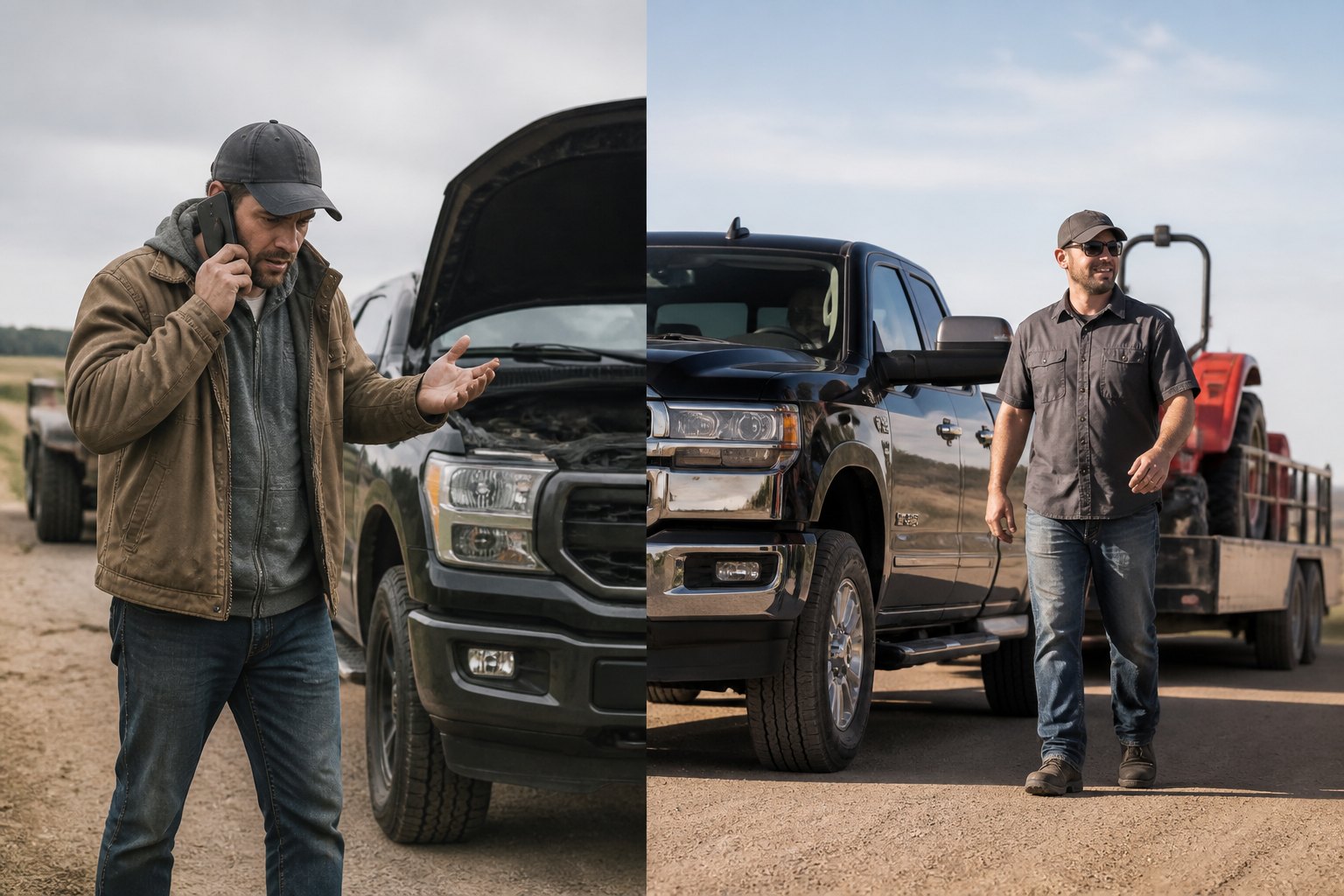
What You’ll Need
Before you start comparing plans, get these together. It’ll save you a couple of phone calls and a lot of guesswork.
-
Your VIN and current mileage — pulled from the dash or door jamb sticker
-
Factory warranty paperwork (or the dealer’s portal login) to check exact expiration dates on miles and months
-
Maintenance records — oil changes, transmission fluid swaps, cooling system service — going back as far as you have them
-
A rough towing profile: average trailer weight, how often you tow, and whether it’s a fifth-wheel, gooseneck, or bumper-pull setup
-
List of your truck’s specs — 1500, 2500, or 3500, engine (Hemi or Cummins diesel), and 2WD or 4×4/AWD drivetrain
-
30-45 minutes to read through quotes and contract language without rushing
-
Basic comfort reading a contract — no legal background needed, just patience for the exclusions section
-
A notepad or spreadsheet to compare deductibles, waiting periods, and coverage tiers side-by-side
That’s it. No tools, no truck up on a lift — just paperwork and a clear picture of how you actually use your Ram.
Tow a loaded gooseneck often enough and you’ll start hearing things your Ram never made at 60,000 miles — a whine from the transfer case, a shudder from the transmission under grade braking, a turbo that spools a half-second slower than it used to. Heavy towing doesn’t just add miles. It adds heat, load, and stress that factory engineers never designed for at the same rate as a commuter truck. That’s exactly why a Ram Extended Warranty matters more for guys hauling horses or fifth-wheels than it does for someone driving to the office and back.
Here’s the problem: most owners shop for coverage the same way they’d shop for a phone plan, glancing at the price tag — calling it done. That approach falls apart fast on a 2500 or 3500 that spends its weekends white-knuckling down a mountain pass with 12,000 pounds behind it. The parts most likely to fail aren’t random — they’re predictable, and they’re tied directly to towing.
What You’ll Walk Away With (And What to Gather First)
Picture this: a 2500 owner hauling a 30-foot camper hits mile 58,000, right as the factory bumper-to-bumper coverage runs out. He’s standing in a repair bay staring at a $2,800 transfer case quote — no coverage, no plan, just a bad afternoon. That’s the exact spot this guide is built to keep you out of. By the end, you’ll know how to pick a Ram Extended Warranty that actually holds up under trailer weight, not just daily commuting.
The Paperwork and Info You Need Before You Start
Before you request any quotes, pull together a few things. You’ll want your VIN, current mileage — a copy of your maintenance records — oil changes, transmission service, cooling system flushes. Towing history matters too; be honest about it. If you’re cross-shopping coverage types (some owners even compare against a Mercedes-Benz Extended Warranty for a second household vehicle), keep those quotes side by side so deductibles and component lists are easy to compare. Have your budget range set, too — monthly or lump sum. Skip this step, and you’ll end up guessing at coverage tiers instead of matching one to how you actually drive.
Step 1: Figure Out Where Your Factory Coverage Actually Ends
Most guys towing a fifth-wheel or a heavy trailer have no clue when their factory bumper-to-bumper actually runs out. That’s the first mistake. Pull up your owner’s manual or call the dealer and get the exact month and mileage cutoff — don’t guess.
Checking Miles and Months on Your 1500, 2500, or 3500
A 1500 typically carries a 3-year/36,000-mile basic warranty with a 5-year/60,000-mile powertrain piece. Heavier haulers — the 2500 and 3500 — often see extra powertrain protection tied to the Cummins diesel, but that coverage still runs out faster than you’d think if you’re pulling loads daily. Towing puts extra stress on transmissions, cooling systems, and drivelines, which chews through mileage limits quicker than normal commuting.
Write down both numbers — date and mileage — then compare them against your actual driving habits. If you’re logging 20,000+ miles a year hauling trailers, you’ll hit that ceiling long before the calendar catches up. This matters for Ram owners, and it’s just as true if you’re cross-shopping a GMC Extended Warranty for a comparable heavy-duty truck.
Step 2: List Every Towing-Related Part That Actually Fails on a Ram
What breaks first when you hitch a 12,000-pound trailer to your 2500? After hundreds of tows, the failure list stays pretty consistent — and knowing it before you shop for a Ram Extended Warranty saves you from picking a plan that skips the parts most likely to fail.
Transmission, Transfer Case, and Turbo Wear Points
The 68RFE and Aisin transmissions take the hardest beating under load — expect torque converter shudder, valve body issues, and clutch pack wear once you’re past 60,000 miles. Turbo failures on the 6.7L Cummins usually show up as boost leaks or actuator sticking, and that’s not cheap to fix. Transfer cases on 4×4 models grind down fast when you’re towing on grades. This isn’t unique to Ram, either — owners cross-shopping a Chevrolet Extended Warranty run into the same drivetrain concerns with their Duramax trucks.
Cooling System and Suspension Under Load
Heavy towing cooks radiators, water pumps, and EGR coolers faster than daily driving ever will. Rear leaf springs, control arms, and air suspension compressors (on Laramie and Limited trims) wear out sooner too. Write these down — you’ll need this list for Step 3.
Step 3: Match Your Towing Habits to the Right Coverage Tier
Here’s a number that surprises most truck owners: transfer cases and rear differentials handle roughly 3-4 times the stress load when towing over 10,000 lbs compared to unloaded highway miles. That wear adds up fast, and it’s exactly why a one-size-fits-all Ram extended warranty doesn’t work for every driver.
Weekend Haulers vs. Daily Fifth-Wheel Towers
If you hook up a camper twice a month, a Powertrain or Powertrain Enhanced plan usually covers the drivetrain components that take the biggest beating — transfer case, differentials, and transmission internals. Light, occasional towing doesn’t justify paying for coverage you won’t use.
Daily fifth-wheel tows are a different story entirely. Constant load pushes cooling systems, brakes, and turbochargers hard, so Essential or Premium coverage makes more financial sense — it adds cooling system and brake protection that Powertrain-only plans skip.
For comparison, owners cross-shopping other trucks often research a Nissan Extended Warranty to see how towing coverage stacks up between brands before committing.
Step 4: Compare Repair Facility Rules Before You Sign Anything
Here’s a myth worth killing right now: not every plan lets you use the diesel shop down the road that’s already elbow-deep in your truck twice a year. Some contracts lock you into dealership-only service, which sounds fine until you’re towing a trailer through a state with one dealer three hours away. Before buying any Ram Extended Warranty, ask point-blank whether repairs are restricted to franchise dealers or open to any ASE-certified shop nationwide.
That flexibility matters more for truck owners than sedan drivers — you’re covering ground, hauling loads, and can’t always plan a breakdown near a dealership. A plan that only honors work done at specific locations can leave you paying out of pocket or waiting days for an appointment slot.
Worth noting — this same shopping logic applies whether you’re covering a Cummins-powered Ram or comparing something like a Jeep Extended Warranty for the family SUV. Facility rules, not just coverage lists, decide how painless a claim actually is. Read the contract’s service section twice. It’s usually where the real restrictions hide.
Step 5: Check the Deductible, Waiting Period, and Claims Process
Picture this: your 2500 Cummins pops a transfer case fault light halfway through hauling a 12,000-lb fifth wheel, and you’re sitting at a truck stop trying to figure out if you’re covered. That’s the moment the fine print actually matters — not when you’re signing paperwork at your kitchen table.
Before picking a ram extended warranty, ask three blunt questions. First, what’s the deductible per repair visit — $0, $100, $200? Second, how long is the waiting period before coverage kicks in (usually 30 days or 1,000 miles)? Skip a plan that makes you wait past that without explanation. Third, how does the claims process actually work?
Here’s what most people miss: a plan that pays the shop directly beats one that reimburses you weeks later. You shouldn’t have to float thousands on a credit card while waiting on a check. Ask if repairs need pre-authorization, and how fast that typically happens.
Worth noting — the same deductible logic applies across brands. Anyone cross-shopping a Ford Extended Warranty will find identical questions apply almost word for word.
Step 6: Avoid These Common Mistakes When Picking Coverage for a Work Truck
Most guys shopping for a Ram extended warranty screw it up in one of three ways. Let’s fix that before you sign anything.
Mistake one: buying powertrain-only coverage on a truck that tows daily. Your air suspension, brake controllers, and turbo lines take a beating under load — a basic plan won’t touch those.
Mistake two: ignoring the deductible structure. A $200 per-visit deductible on a truck that visits the shop three times a year adds up fast.
Mistake three: assuming all coverage works the same across brands. It doesn’t. Someone shopping a Subaru Extended Warranty is dealing with a completely different failure profile than a diesel work truck pulling a gooseneck five days a week.
Here’s what most people miss: gross combined weight rating matters. If you’re consistently towing near your truck’s max rating, tell the provider upfront. Some contracts adjust coverage terms based on commercial or heavy-use classification, and skipping that disclosure can get a claim denied later.
Step 7: Confirm Your Coverage Is Actually Set Up Right
Reviewing Your Contract During the 30-Day Window
Did you actually read the paperwork, or did you just sign where the arrow pointed? That’s the mistake I see most truck owners make once they’ve picked a plan. Your Ram extended warranty contract needs a real review before that money-back window closes.
Pull out the contract and check three things: your towing package is listed by name, your mileage and VIN match, and the deductible matches what you were quoted. If you tow a fifth-wheel regularly, confirm the drivetrain and cooling components tied to heavy-load use are named — not implied.
Here’s what most people miss: some providers write coverage differently depending on the vehicle. If you’re cross-shopping and came across a Hyundai Extended Warranty quote for comparison, notice how the component lists differ from a truck-specific plan built around towing and axle stress.
Call the provider directly. Ask them to confirm activation date, waiting period, and whether roadside assistance is active immediately. Get it in writing. If anything doesn’t match what you were told at signing, that’s your leverage during the refund window — use it.
How-To FAQ
How much does a Ram extended warranty cost for a truck used for towing?
Pricing depends on your truck’s mileage, engine (Cummins diesel vs. Hemi gas), coverage tier, and how many years or miles you want covered. A 2500 or 3500 pulling a fifth-wheel regularly will typically land in a higher coverage bracket than a 1500 that tows a boat twice a summer. Get a written quote before you decide anything, since your specific truck’s history changes the number quite a bit.
Is a Ram extended warranty actually worth it if I tow heavy loads?
Yes, for most heavy tows it’s worth it. If you’re pulling anywhere near your truck’s max rating on a regular basis, you’re putting extra stress on the transmission, cooling system, and suspension components — the exact parts that get expensive fast once they’re out of factory coverage. A single transfer case or transmission repair can run more than several years of coverage payments combined.
Does Ram offer a 100,000-mile factory warranty?
No, Ram’s factory bumper-to-bumper coverage doesn’t stretch to 100,000 miles — it runs out well before that on the basic coverage, with the longer powertrain coverage capping out sooner than a lot of owners assume. That gap is exactly why most heavy-towing owners look at a third-party service contract before that factory coverage lapses.
What’s actually covered under an extended warranty for towing-related repairs?
Coverage tiers built for towing usually protect the transmission, transfer case, drive axles, turbocharger, and cooling system components — the parts that take the brunt of hauling heavy trailers. Higher tiers add suspension parts like control arms and shocks, plus electronics tied to trailer brake controllers and towing assist systems. Always check the actual contract list rather than assuming — coverage names vary between plans.
How long can I wait after my factory warranty expires to buy coverage?
You shouldn’t wait at all if you can help it. Most providers require a waiting period (often 30 days or 1,000 miles) before coverage kicks in, so buying right as your factory coverage winds down keeps you from having a gap where nothing’s protecting the truck. Waiting until after a problem shows up usually means it gets treated as a pre-existing condition and won’t be covered.
Can I still use my own diesel mechanic once I buy an extended warranty?
In most cases, yes — look for a plan that allows repairs at any ASE-certified shop instead of restricting you to a dealership. This matters a lot for Cummins owners who’ve got a trusted independent diesel guy they’ve used for years. Confirm this in writing before signing, since some contracts quietly limit you to franchise dealers only.
Here’s the truth about towing a Ram 2500 or 3500 near max capacity: the transmission, transfer case, and cooling system take the brunt of the punishment, not the engine. That’s why picking coverage isn’t about grabbing the cheapest plan — it’s about matching the tier to how you actually use the truck. A weekend hauler and a daily fifth-wheel puller have completely different risk profiles, and the paperwork you gathered up front should make that decision obvious rather than confusing.
A Ram Extended Warranty only earns its keep if the repair facility rules, deductible structure, and claims process actually fit your lifestyle. Don’t skip the 30-day review window — read the contract like a mechanic would, checking exclusions on drivetrain and cooling components before you’re stuck with them.
Get your VIN, mileage, and towing records together now, request quotes based on your real GCWR, and lock in coverage before that factory warranty clock runs out. Waiting costs you options.


