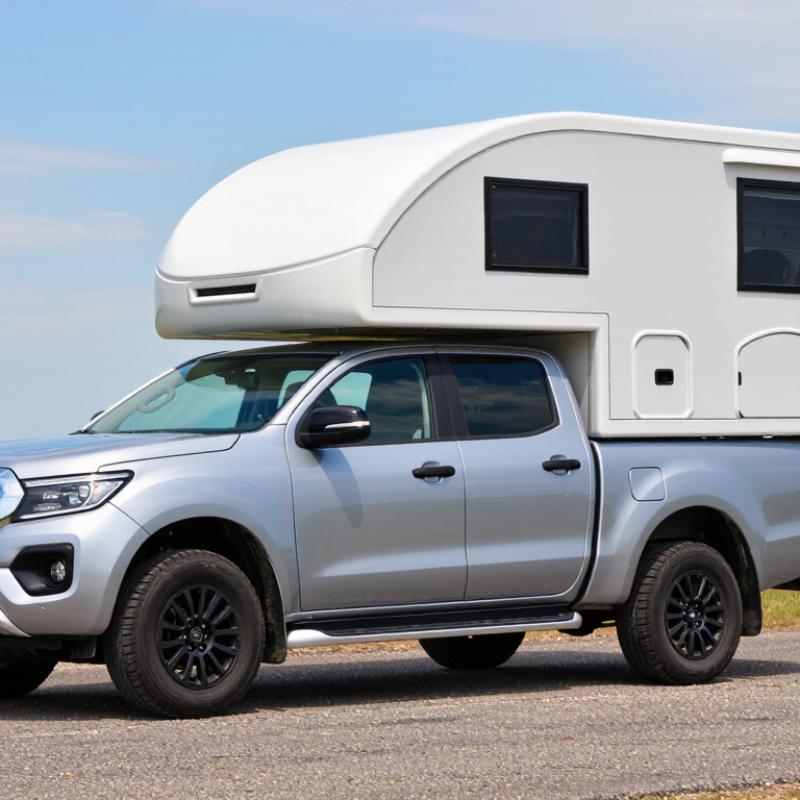

FOSHAN, GUANGDONG, CHINA, November 23, 2026 /EINPresswire.com/ — # How to Choose a Pickup Truck High-Rise Canopy
## Identify Your Needs and Intended Use
Start with what you carry during a normal week, not an imagined off-road trip. Measure the tallest items, such as a folded ladder, tool cases, or a cooler, and note how often you load them. A Pickup Truck High-Rise Shell can provide extra vertical space, but extra height is useful only when your regular cargo needs it. Small details matter.
Think about where the truck works. Contractors may need room to stand equipment upright and keep weather-sensitive supplies covered. Campers might value space for bedding, while daily drivers may care more about garage clearance and easy access. Check the height of parking structures and measure your garage opening. I once overlooked a roof-mounted accessory in a clearance check; it changed the fit.
Consider how you reach and organize the cargo, too. A tall shell can make bulky items easier to carry, yet small items may get buried without bins or tie-down points. Picture loading in the rain, with one hand holding a door and the other reaching inside. Awkward, but realistic. Before choosing, compare your measurements with the truck’s payload limits and the shell’s stated capacity. Ask a qualified installer to confirm fit and mounting details for your specific truck.
## Confirm Canopy Fit with Your Truck
A High Rise Truck Cap should match the truck’s exact bed, not just its advertised class. Check the model year, bed length, cab configuration, and whether the bed has a liner or rail caps. Measure the bed at the front and rear; widths can differ. Small gaps matter. A high-rise shell may clear taller cargo, but it still needs even contact along the rails and enough tailgate clearance.
SEMA’s 2023 Market Report valued U.S. specialty-equipment sales at $52.3 billion in 2022. That broad market figure is not a fitment guide, so verify dimensions for your specific truck. Ask the supplier for the canopy’s rail-contact width and mounting-point locations, then compare them with your measurements. Check the hatch opening against the cab and any racks or accessories. It is tempting to trust a “fits full-size pickups” label. I would not. A few millimeters of mismatch can leave a visible gap or make installation awkward; remeasure before ordering, especially after adding a bedliner.
## Compare Canopy Materials and Construction
A high-rise canopy’s material affects payload, corrosion resistance, repair, and how the frame handles vibration. ASM Handbook, Volume 1, lists typical densities near 2.7 g/cm³ for aluminum alloys and 7.85 g/cm³ for carbon steel. That is a raw-material comparison, not a finished-canopy weight guarantee. Panel thickness, braces, doors, and hardware change the final figure. Aluminum can reduce added mass, but thin panels may dent under a dropped tool or a low branch. Steel sections can be stiff, yet add weight and rely on intact coatings to resist corrosion. Details matter.
Fiberglass and other composite panels avoid many metal-rust concerns and allow molded corners, but impact damage may crack rather than simply dent. Repairability depends on the laminate and access to its inner surface. Compare construction closely: inspect folded edges, welds, corner joints, seals, and fastener isolation. Uneven welds or poorly sealed seams can invite leaks and fatigue, even when the outer panel looks tidy. The Aluminum Association’s Aluminum Design Manual is a useful engineering reference for evaluating alloy and structural design, but it does not replace a canopy’s documented load rating. Ask for the completed unit’s weight, materials, and test basis; then check that the added load fits the vehicle’s payload limits. I would not choose from material labels alone.
## Evaluate Height, Access, and Storage Features
A high-rise canopy adds standing room for bulky cargo, but extra height matters only when it suits your daily use. Measure the bed, cab roof, garage opening, and the tallest item you carry. Leave clearance for roof racks and uneven driveways. A canopy that looks spacious can still block access to a low garage.
Check how you reach the load. Side windows help with small tools; rear-door access works better for long items. Compare door opening width, interior height, and the reach needed to retrieve cargo near the cab. Shelves, tie-down points, and lighting can make storage safer and easier to organize. More fittings are not always better; they can reduce usable space. U.S. Department of Energy guidance at FuelEconomy.gov estimates that an extra 100 pounds can reduce fuel economy by about 1 percent. Treat this as a general estimate, not a canopy-specific test.
Tips: Load a cooler or tool case during your inspection. Try opening every door while parked on a slope. Check whether the canopy’s weight and accessories match your truck’s payload rating. It is easy to focus on headroom and overlook reach distance; that trade-off deserves a real test.
## Check Safety, Weatherproofing, and Load Limits
A high-rise canopy changes how a pickup behaves, especially when the bed is loaded. Check that its mounting points match the truck and that every clamp or bolt is secure. Look for cracked brackets, loose fasteners, and uneven gaps before driving. Don’t guess at the weight limit. The truck’s payload rating, the canopy’s roof rating, and the capacity of its mounting system are separate limits. Follow the lowest applicable rating.
When evaluating vehicle payload, find the truck’s payload rating on its certification label and in the owner’s manual. Count occupants, the canopy, accessories, and cargo. Remaining payload can be calculated by subtracting the weight of occupants, accessories, and cargo from the rated payload. For example, if the truck has a rated payload of 900 kg, occupants weigh 350 kg, and other accessories weigh 80 kg, the remaining payload is 470 kg for the canopy and cargo combined. Keep the total within the vehicle’s stated payload and axle limits, and do not assume the canopy’s load rating increases the truck’s payload capacity.
The canopy’s load rating also requires careful checking. Review the manufacturer’s documented limits for roof loads, mounting points, and any internal load-bearing rails. Confirm whether each rating is dynamic, meaning it applies while driving, or static, meaning it applies while stationary. These ratings are not interchangeable. Use only the applicable documented rating, and include the weight of racks, carriers, and cargo when calculating the total roof load.
Mounting and restraint systems should be compatible with the truck bed and secured using the specified clamps or fasteners. Inspect the mounts and bed rails for damage before installation. Follow the installation instructions and specified fastener torque if provided, and recheck fasteners after installation and at the intervals stated in the instructions. Do not drill, modify, or substitute mounting hardware unless the vehicle and canopy instructions explicitly allow it.
High-rise clearance is another important consideration. Measure the finished vehicle height, including roof racks, antennas, and carried equipment. Compare the total height with garage, car-park, bridge, and other route clearances. Allow for changes in vehicle height caused by loaded suspension and road conditions. When the canopy or roof load makes the vehicle taller than usual, keep a visible height reminder in the cab.
Weatherproofing takes more than checking the door seal. Inspect corners, window edges, cable openings, fastener penetrations, and drainage paths for gaps or brittle sealant. Ask how water resistance was tested. An IPX4 rating under IEC 60529 indicates protection against water splashing from any direction, but it does not mean protection against immersion or guarantee a dust-tight enclosure. Choose a design with continuous, replaceable seals and clear drainage paths. Treat claims such as “waterproof” as incomplete unless the test method and conditions are stated.
Dust protection and ventilation also depend on the complete installation. Check for dust seals around the tailgate and other openings, together with suitable ventilation where required for the intended use. Dust sealing depends on the entire setup, including the truck’s tailgate gap and bed openings, rather than just the canopy panels. Test the installed setup in the conditions you expect to encounter, keep ventilation openings clear, and follow any warnings about fumes or fuel storage.
Visibility and access should not be overlooked. Check that the canopy does not obstruct required lights, reflectors, the driver’s view, or access to the tailgate and emergency equipment. Requirements for vehicle lighting and equipment vary by jurisdiction, and added loads must not obscure required lamps or number plates. Confirm local road rules and ensure doors, latches, and emergency exits can be operated reliably.
Finally, confirm fit and serviceability before purchasing. Check bed dimensions, cab-to-canopy clearance, window and door operation, and access to routine vehicle service points. Measure the actual truck because bed dimensions and fittings can differ between model years and configurations. Choose a canopy that can be removed or serviced without compromising the vehicle or its mounting points.
A Pickup Truck Canopy Hard Shape may offer a firm shell, but shape alone does not guarantee safe loading or a dry interior. Keep heavy cargo low and secure it so it cannot slide into the canopy wall. Avoid placing rooftop loads unless the canopy is rated for them. Added height can catch crosswinds, and the truck may feel different on an exposed road. That detail is easy to underestimate. Recheck the hardware after initial use; bolts can settle, and one quick inspection may not catch everything.
## Review Installation, Warranty, and Total Cost
Before ordering an Aluminum Pickup Canopy, ask how installation affects the truck’s bed and existing accessories. A proper fit should leave the tailgate opening smoothly and keep the canopy’s seals evenly compressed. Ask whether wiring, drilling, or adjustments are required, and who handles them. Small gaps matter. After the first rain, water around a rear corner can reveal a rushed fit.
Read the warranty before comparing prices. Check what it covers, how long coverage lasts, and whether installation errors are excluded. Get the terms in writing, including who pays for removal or shipping if a repair is needed. Keep the invoice and installation record. A vague promise from a salesperson is not a useful warranty, even when the canopy feels solid in the showroom.
Compare the full cost, not just the listed price. Include installation, wiring, freight, taxes, and any accessories needed to secure your cargo. Ask for an itemized quote, then confirm whether routine adjustments cost extra. A lower price may still make sense, but only if the fit and support are clear. I would also allow time for a second inspection; honestly, it is easy to overlook a loose clamp when pickup day feels rushed.
### Estimated Upfront Costs by Purchase Component (USD)
Planning estimates only: a canopy is budgeted at $3,200, with installation, electrical work, and a roof rack shown separately. Compare written quotes, confirm what the warranty covers and for how long, and check whether installation or accessories affect warranty coverage. Actual prices vary by vehicle, materials, options, and location; taxes are excluded.
## Automotive Roof Rack Market Outlook: A Grand View Research–Informed Guide to Universal Mounting Brackets
Automotive roof-rack demand is shaped by the scale of the vehicle market and consumers’ need for flexible cargo capacity. The International Organization of Motor Vehicle Manufacturers reported approximately 93.5 million vehicles produced worldwide in 2023, indicating a substantial potential fitment base. Market research on roof racks commonly segments demand by vehicle type, product design, material, and region; for universal mounting brackets, compatibility and secure installation are therefore key considerations. Rain-gutter mounts offer a practical option for vehicles with suitable gutters, providing an alternative to systems that rely on factory-installed roof rails.
These 4×4 universal roof-rack brackets are made from durable iron and finished with a powder coating to help resist corrosion during outdoor use. Designed to secure platforms and crossbars at the rain gutters, they can suit a range of vehicles and roof-rack configurations, subject to checking fitment and load limits before installation. Their accessible mounting position supports convenient loading for camping, fishing, and equipment transport. For buyers comparing options, useful criteria include bracket construction, coating quality, vehicle compatibility, and stable attachment under the intended load. Such practical features align with broader market interest in adaptable cargo solutions for everyday travel and outdoor activities.
## FAQs
### How can I confirm a canopy will fit my truck?
Check the model year, bed length, cab configuration, bedliner, and rail caps. Measure the bed width at both ends. Small gaps matter.
### What measurements should I compare before ordering?
### How do I know if the canopy height suits my needs?
### Which access features are worth checking?
### Can shelves and accessories improve storage?
### How should I check weight limits?
### How can I check for leaks?
### Will a high-rise canopy change how my truck drives?
## Conclusion
Choosing a Pickup Truck High-Rise Canopy starts with considering how you use your truck and what you need to carry. Think about whether you need extra standing room, space for bulky equipment, or convenient access to stored items. Before choosing a model, confirm that its dimensions and mounting system are compatible with your truck’s bed and configuration.
Compare materials and construction for durability, weight, and resistance to everyday wear. Then assess the canopy’s height, doors, windows, and storage options to make sure they suit your routine. Check weather seals, ventilation, safety features, and the manufacturer’s stated load limits, including any restrictions on roof storage. Finally, consider how installation will be handled, what the warranty covers, and the full cost beyond the initial purchase. Balancing these factors can help you select a canopy that fits your truck, priorities, and budget.
Foshan TCAL Aluminum Co. Ltd.
Foshan TCAL Aluminum Co. Ltd.
+ +86 13534437294
jackyin5858@gmail.com
Legal Disclaimer:
EIN Presswire provides this news content “as is” without warranty of any kind. We do not accept any responsibility or liability
for the accuracy, content, images, videos, licenses, completeness, legality, or reliability of the information contained in this
article. If you have any complaints or copyright issues related to this article, kindly contact the author above.

Media gallery